
Cleaning, Texture Recovery, and Long-Term Maintenance
Hotel carpets endure far more than domestic flooring. Heavy footfall, luggage wheels, spills, and rapid room turnover all place constant stress on fibres. When carpets lose their appearance or softness, it affects guest experience, hygiene standards, and long-term refurbishment costs.
At Acorn Carpet Cleaning, we’ve worked with hotels across Glasgow and Paisley for years, restoring carpets in guestrooms, corridors, reception areas and public spaces. This guide outlines the most effective ways to clean, revive, and maintain hotel carpets and explains when professional support delivers better results than DIY methods.
Cleaning and Restoring the Carpet’s Appearance
Deep Cleaning Techniques
Daily vacuuming removes surface dirt, but hotel carpets trap far more debris deep within the pile. Embedded dirt, oils and fine particulates gradually wear down fibres and dull the carpet’s appearance.
Steam Cleaning (Hot Water Extraction)
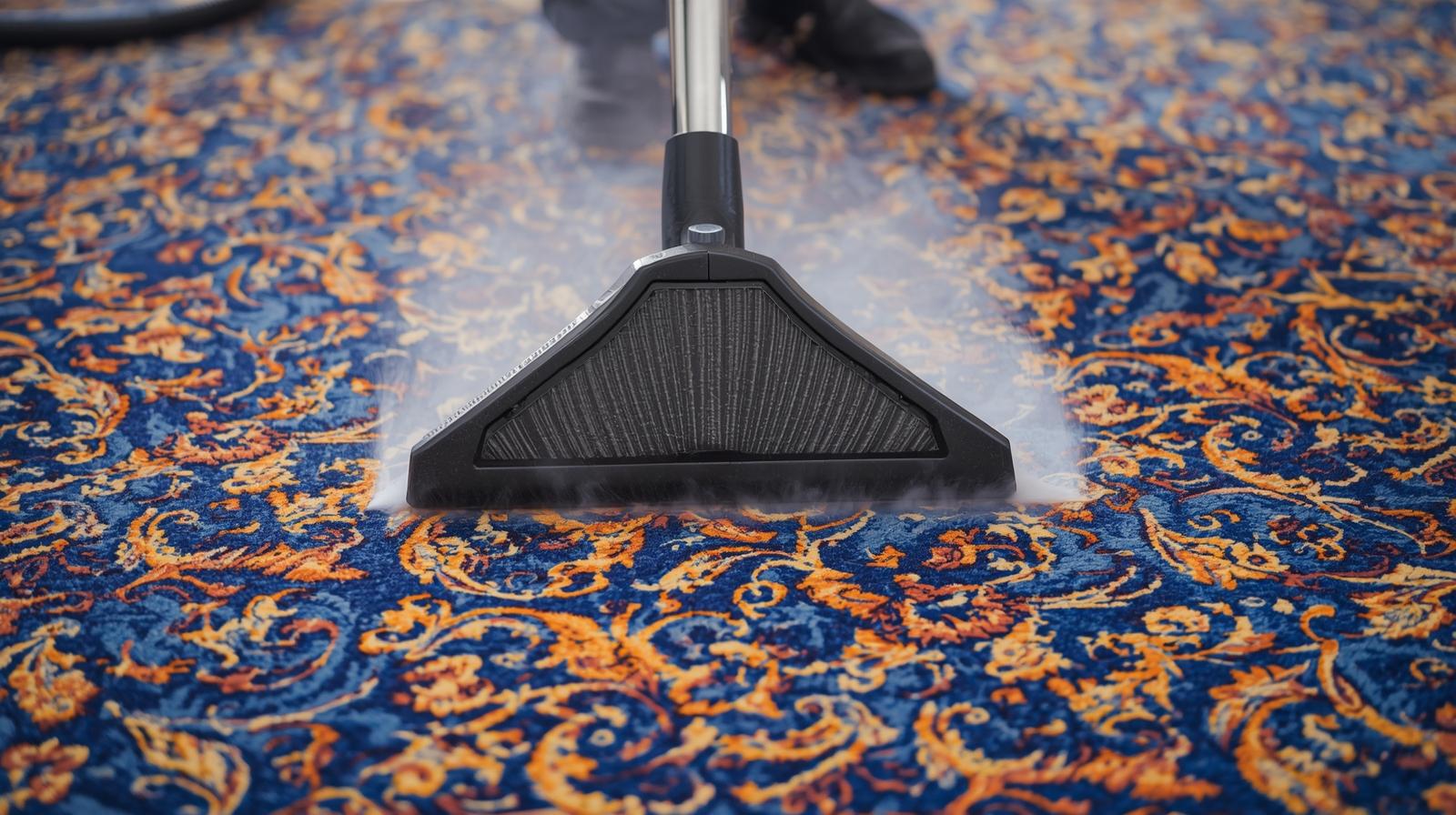
This is the most effective way to remove compacted soil and revitalise commercial carpet fibres. When carried out correctly, it lifts dirt from deep within the pile and restores softness.
DIY Cleaning Solutions
Home remedies such as baking soda for surface deodorising or diluted white vinegar for basic stain treatment can offer temporary improvement, but they do not deliver the depth of clean required in commercial environments.
Domestic Carpet Machines
Small machines can freshen small areas, but they rarely provide the heat, extraction power, or drying capability needed for hotel-scale carpets. Overwetting is a common issue.
Professional Cleaning
Hotels typically benefit from professional equipment designed to clean large areas quickly, manage moisture effectively, and avoid downtime. At Acorn, we ensure carpets are fully extracted, dried efficiently and left ready for guest use as soon as possible.
Stain Removal Strategies
Hotel carpets experience a wide variety of stains: drinks, cosmetics, food, and accidental spills. Each requires the right approach.
Correct Identification
Effective stain removal starts with understanding the substance. Protein, oil-based, dye, and tannin stains all respond to different treatments.
Appropriate Spot Cleaning
Using the correct cleaning solution prevents spreading, wicking and re-staining.
Avoiding Harsh Chemicals
Unqualified use of strong chemicals can damage carpet fibres, leave sticky residues, or cause colour loss. Professional technicians use the right products for each fibre type and stain category.
Odour Elimination
Odours in hotel carpets typically originate from spills, moisture, or trapped bacteria.
Baking Soda for Light Odours
For mild, surface-level smells, baking soda can help neutralise odours.
White Vinegar for Persistent Smells
Diluted vinegar can break down some organic odours, though it must be used carefully to avoid leaving its own scent.
Proper Drying
Moisture is a major cause of persistent smells. Ensuring carpets dry fully is critical. Acorn uses professional drying systems to prevent mould, mildew, or damp odours from developing.
Vacuuming for Maintenance
Vacuuming remains the foundation of day-to-day hotel carpet care.
Correct Technique
Slow, thorough passes lift dirt effectively and help prevent particles from grinding into the pile.
Frequency Based on Footfall
Public areas and corridors may require multiple vacuums per day, while guestrooms typically need at least one full vacuum per turnover.
Adjustable Vacuum Settings
Different carpet types require different suction and brush settings. Using the wrong configuration can damage the pile or leave dirt behind.
Restoring Texture, Softness, and Vibrancy
Fluffing and Reviving Carpet Pile
Carpet pile naturally compresses under foot traffic and furniture.
Carpet Rakes and Brushes
These tools lift flattened fibres, helping restore texture and improve appearance.
Steam for Softness
Controlled steam can revive the carpet’s softness and reset flattened pile — a method commercial teams use carefully to avoid overwetting.
Ice Cube Method for Indentations
Placing an ice cube in a furniture dent and allowing it to melt helps the fibres expand. A gentle rake finishes the process.
Repairing Wear and Tear
Hotels often experience matting, snags, and visible traffic lanes.
Addressing Matting
Regular brushing and steam treatment can restore fibres in early-stage matting.
DIY Repairs
Small snags or loose fibres can sometimes be trimmed or re-tucked, though this requires care to avoid making the damage worse.
When Professional Repair Is Needed
Significant wear — especially in corridors and lift lobbies — may require professional intervention. Acorn can assess whether restoration is possible or if partial replacement is more practical.
Removing Indentations and Dents
Furniture marks are common in guestrooms and function rooms.
Ice Cube Method
Melting ice lifts the pile gradually.
Brushing and Raking
Once moisture has expanded the fibres, gentle brushing restores shape.
Heat and Moisture
Controlled steam applied by professionals can lift deep dents without damaging adhesives or backing materials.
Enhancing Freshness and Lifespan
Preventative care is what keeps hotel carpets looking consistent and extends their usability between major cleans.
Regular Maintenance
Routine vacuuming and periodic deep cleaning prevent premature wear.
Furniture Rotation
Moving furniture occasionally helps distribute foot traffic more evenly.
Protecting Texture and Colour
Using quality mats at entrances, responding quickly to spills, and scheduling deep cleans before peak seasons all help preserve vibrancy and softness.
Acorn provides tailored maintenance plans designed around hotel occupancy patterns, carpet materials, and usage levels ensuring carpets remain presentable and long-lasting.
