
Moving out of a rented property comes with a long checklist of responsibilities. Among the most common causes of disputes between landlords and tenants is the condition of the carpets at the end of a tenancy. Questions often arise around what standard of cleaning is expected, whether professional carpet cleaning is required, and when landlords can legitimately make deductions from a tenancy deposit.
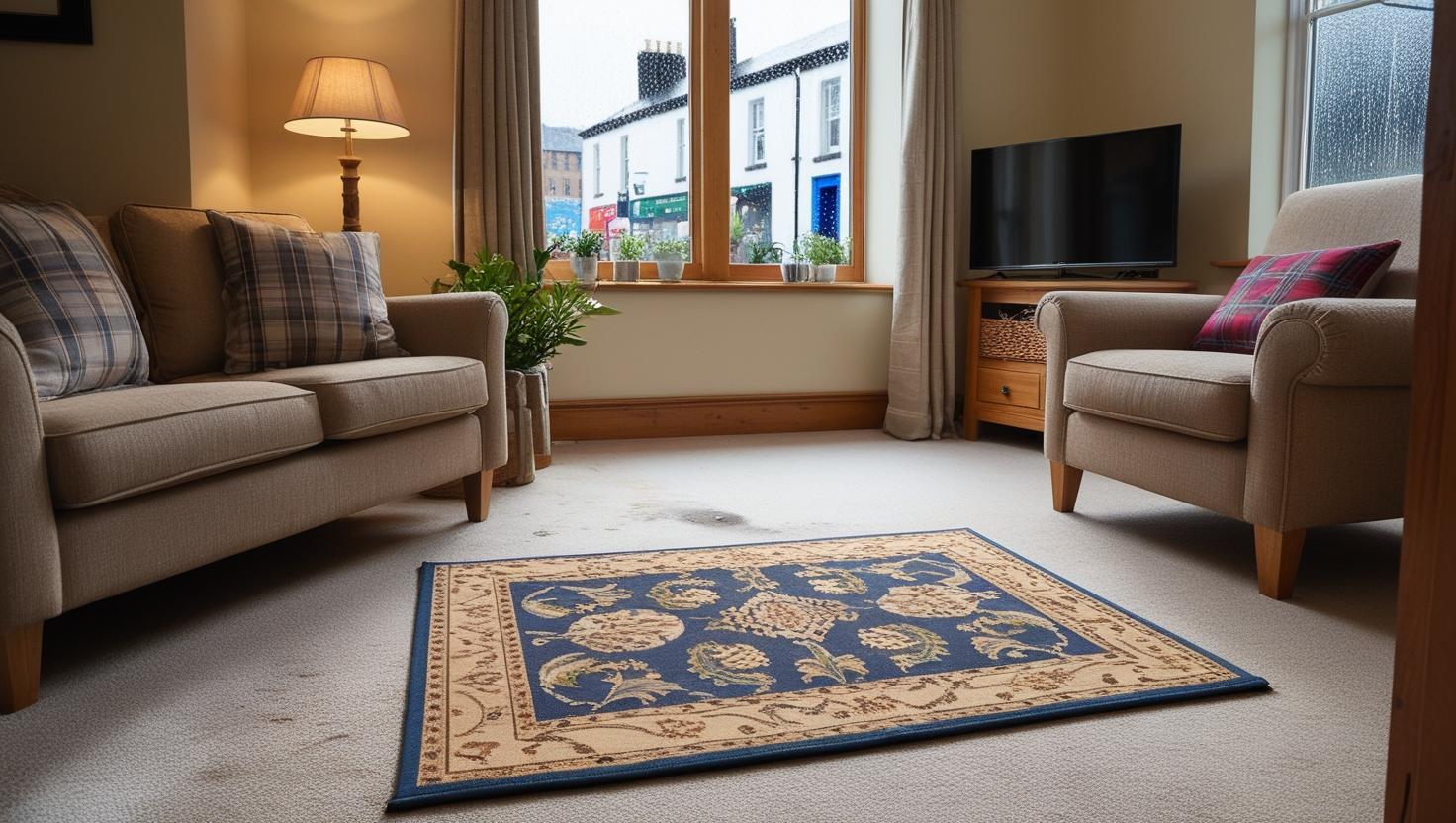
At Acorn Carpet Cleaning, we regularly work with both landlords and tenants across Glasgow and Paisley, helping prepare properties for move-out inspections and new occupancies. Understanding the rules surrounding end of tenancy carpet cleaning can help both parties avoid unnecessary disputes and ensure a smoother handover process.
Why Carpet Cleaning Becomes an Issue at the End of a Tenancy
Carpets naturally experience wear during everyday use. Furniture leaves indentations, foot traffic gradually flattens fibres, and minor discolouration can occur over time. The challenge comes when determining whether the carpet has experienced normal use or whether additional cleaning or repair is required before the tenancy ends. For tenants, the goal is usually to secure the return of their deposit.
For landlords, the objective is to ensure the property is presented in an acceptable condition for the next occupant. When expectations are unclear, disagreements often follow.
Understanding Carpet Cleaning Clauses in Tenancy Agreements
Many tenancy agreements include references to cleaning responsibilities, including carpet cleaning. Typically, these clauses require tenants to return the property in a similar condition to how it was received, allowing for fair wear and tear. However, many people are surprised to learn that a clause requiring professional carpet
cleaning does not automatically mean a landlord can charge a tenant for professional cleaning regardless of the carpet’s condition.
The key consideration is whether the tenant has returned the carpet to an acceptable standard based on its condition at the start of the tenancy and the length of occupation. Before signing any tenancy agreement, both landlords and tenants should review cleaning clauses carefully and ensure expectations are clearly understood.
Fair Wear and Tear Versus Carpet Damage
One of the most important distinctions in any tenancy dispute is the difference between
fair wear and tear and actual damage.
Fair wear and tear generally refers to deterioration that occurs naturally through normal
use.
Examples may include:
● Slight flattening of carpet pile in walkways
● Minor fading from sunlight
● General ageing of fibres
● Light wear in high-traffic areas
Damage goes beyond normal use and may include:
● Large stains
● Burns
● Paint spills
● Embedded pet hair
● Persistent odours
● Tears or cuts in the carpet
The age and original condition of the carpet are also important factors. A ten-year-old carpet will not be assessed in the same way as a carpet installed immediately before a tenancy began. Landlords cannot normally charge tenants for deterioration that falls within the definition of fair wear and tear.
What Are Tenants Responsible For?
Tenants are generally expected to return the property in a reasonably clean condition.
This often includes:
● Thorough vacuuming
● Spot cleaning minor stains
● Removing pet hair
● Addressing any cleaning issues that arose during the tenancy
Where significant staining, odours or soiling have occurred, additional cleaning may be
necessary. Properties occupied by pets often require more attention because hair, dander and
odours can become deeply embedded within carpet fibres.
The longer the tenancy, the more likely it is that some degree of normal wear will be
accepted. However, excessive dirt, staining or neglect may still result in cleaning costs
being claimed.
Landlord Responsibilities Matter Too
Landlords also have obligations regarding carpet condition.
At the start of a tenancy, carpets should be provided in a clean and reasonably maintained
condition.
This is why detailed inventories are so important.
If a carpet already contains stains, wear or damage before a tenant moves in, those issues cannot later be attributed to the tenant without evidence showing further deterioration.
Landlords should also be realistic about the age and lifespan of the carpet when assessing
its condition at the end of a tenancy.
Why Documentation Is So Important
Many deposit disputes succeed or fail based on documentation rather than the carpet
itself. Without evidence, it becomes difficult to prove responsibility for any issue.
A comprehensive inventory should include:
● The age of the carpet if known
● Existing stains or marks
● Areas of wear
● Fibre condition
● Photographic evidence
Move-in and move-out reports can then be compared to determine whether any deterioration occurred during the tenancy. In many cases, clear documentation resolves disputes before they escalate.
Photographing Carpet Condition Correctly
Photographs provide some of the strongest evidence in tenancy disputes.
Both landlords and tenants should take photographs:
● At the beginning of the tenancy
● Before move-out cleaning
● After cleaning has been completed
● During final inspections if issues are identified
Good photographs should capture:
● Entire rooms
● High-traffic areas
● Existing stains
● Any areas of concern
Close-up photographs combined with wider room shots provide valuable context if a
dispute arises later.
How Deposit Schemes Assess Carpet Cleaning Claims
Deposit protection schemes assess evidence rather than assumptions.
If a landlord wishes to deduct carpet cleaning costs from a deposit, they typically need to
demonstrate:
● The carpet was in better condition at move-in
● The tenant failed to return it in a similar condition
● The cleaning costs being claimed are reasonable
Evidence often includes:
● Inventory reports
● Inspection reports
● Photographs
● Cleaning invoices
● Contractor quotations
Claims are frequently rejected when documentation is incomplete or where the deterioration appears to be normal wear and tear.
Professional Cleaning Receipts and Why They Matter
One reason landlords often request professional carpet cleaning is because a receipt provides independent evidence that cleaning has taken place.
A professional cleaning receipt may include:
● Property address
● Date of service
● Areas cleaned
● Type of cleaning performed
● Company details
This creates a clear record that can be used if questions arise later. For landlords, it demonstrates that reasonable steps have been taken to prepare the property for the next tenant.
For tenants, it provides evidence that cleaning obligations were addressed before vacating.
Professional Carpet Cleaning Versus DIY Cleaning
One of the most common questions we hear is whether professional cleaning is necessary. The answer depends on the condition of the carpet.
For carpets that are lightly soiled and free from significant staining, thorough DIY cleaning may be sufficient.
However, professional cleaning often becomes beneficial when:
● Stains are present
● Pets have occupied the property
● Odours remain in the carpet
● The carpet has not been professionally cleaned for several years
● The tenancy agreement specifically references professional cleaning standards
Domestic machines can improve appearance, but they often lack the extraction power required to remove deeply embedded dirt, pet hair and residues. Professional equipment can typically achieve a deeper clean while managing drying times more effectively.
Why Steam Cleaning Is Often Recommended
Hot water extraction, commonly known as steam cleaning, remains one of the most widely used methods for end of tenancy carpet cleaning.
The process helps remove:
● Deep-seated dirt
● Allergens
● Pet hair
● Stains
● Odours
For landlords preparing a property for new tenants, this provides reassurance that carpets have been thoroughly cleaned between occupancies.
Not every carpet is suitable for steam cleaning, however, which is why professional assessment remains important.
Addressing Common End of Tenancy Carpet Problems
Several issues appear repeatedly during move-out inspections.
These include:
1 – Food and Drink Stains – Tea, coffee, wine and food spills are among the most common causes of deductions.
2 – Pet Hair – Even after vacuuming, pet hair often remains embedded within carpet fibres and requires
specialist removal techniques.
3 – Carpet Odours – Smoke, pets and spills can create lingering smells that remain even when carpets appear
visually clean.
4 – Heavy Traffic Areas – Hallways, entrances and living rooms often show the greatest signs of wear and require
particular attention during cleaning.
Early intervention often improves the chances of restoring the carpet successfully.
A Practical End of Tenancy Carpet Cleaning Checklist
For tenants:
● Vacuum all carpeted areas thoroughly
● Remove visible stains where possible
● Address pet hair and odours
● Arrange professional cleaning if necessary
● Retain all receipts and documentation
● Photograph carpets after cleaning
For landlords:
● Compare carpets against the inventory report
● Review photographs from move-in and move-out
● Assess whether issues exceed fair wear and tear
● Retain evidence before proposing deductions
● Communicate concerns clearly and promptly
Avoiding Carpet Cleaning Disputes
Most end of tenancy disputes can be avoided through clear communication, realistic
expectations and proper documentation. Tenants should understand their responsibilities from the outset.
Landlords should maintain accurate records and assess carpets fairly based on age, condition and normal usage.
When both parties take a practical approach, carpet cleaning becomes far less likely to
result in disagreements or delayed deposit returns.
At Acorn Carpet Cleaning, we regularly help landlords, letting agents and tenants across
Glasgow and Paisley prepare properties for successful move-out inspections. Whether
you’re looking to protect your deposit or ensure a property is ready for its next occupants,
professional carpet cleaning can provide peace of mind for everyone involved.
