
What’s Most Cost-Effective for Hotels and Commercial Properties?
For hotels and commercial venues, carpets are more than flooring. They influence guest perception, support brand standards, and carry the weight of daily footfall. When carpets begin to show wear, managers often face a familiar question: is it more cost-effective to clean the carpet or replace it?
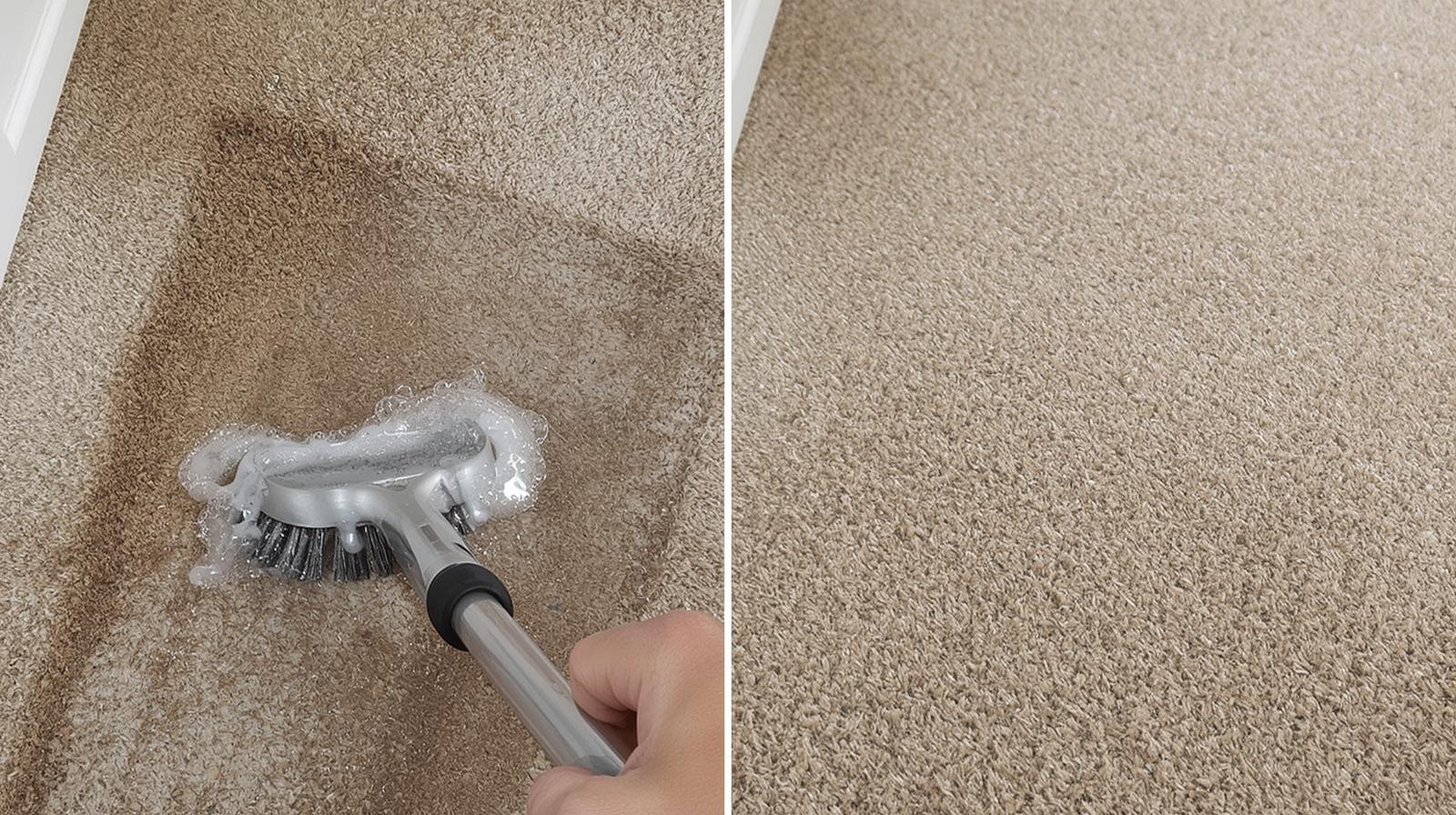
This guide breaks down the true costs, lifespan considerations, and operational realities of both options with insights based on Acorn Carpet Cleaning’s experience working with hotels and commercial properties across Glasgow.
Comparing Costs: Carpet Cleaning vs. Carpet Replacement
Cost Breakdown of Carpet Cleaning
Commercial carpet cleaning costs vary depending on the square footage, fibre type, level of soil, and access requirements. Hotels also need fast turnaround times to minimise disruption.
Typical professional services include:
- Hot water extraction for deep removal of compacted dirt and oils
- Low-moisture systems for busy hotels needing quicker drying cycles
- Targeted stain treatments for spills, wicking, and guest-related marks
From Acorn’s perspective, the biggest cost drivers tend to be:
- The size and layout of the space
- The depth of cleaning required (corridors vs. guestrooms vs. function spaces)
- The condition of the carpet and whether stains need specialist removal
- How quickly the area must be returned to service
DIY cleaning is rarely cost-effective in commercial environments. Staff time, equipment limitations, and the risk of overwetting can lead to inconsistent results, longer downtime, and in some cases, fibre damage. This is why hotels typically opt for trained commercial technicians who understand both the materials and the operational pressures.
Cost Breakdown of Carpet Replacement
Carpet replacement in hotels and commercial spaces involves larger, more complex cost factors. Replacement costs vary depending on:
- Carpet type and quality (loop pile, patterned carpets, luxury commercial fibres)
- Installation requirements, including precise pattern matching
- Removal and disposal of existing materials
- Underlay or subfloor preparation
- Access or out-of-hours installation
Hotels face additional cost considerations:
- Furniture movement or storage
- Staged installation to avoid room closures
- Compliance with fire-rating and commercial-use standards
- Ensuring the finish matches brand expectations across visible areas
Because of these layers, replacement represents a far greater capital investment and operational interruption than cleaning.
Cost Effectiveness of Carpet Cleaning
For many hotels and commercial properties, cleaning is by far the more cost-effective option when the carpet is structurally sound but visually tired.
From Acorn’s experience, cleaning works best when:
- Stains are localised
- Traffic lanes are dull but not worn through
- The carpet is a commercial grade designed for repeated cleans
- The goal is to extend lifespan, not start a refurbishment
Hotels often gain several additional years of use from a high-quality commercial carpet when it’s maintained through scheduled cleaning cycles. One of the biggest savings comes from avoiding premature replacement, especially in corridors and high-traffic areas where installation work is more disruptive.
When Replacement Becomes More Cost-Effective
Replacement becomes the better long-term choice when cleaning cannot restore appearance or function. Common scenarios include:
- Threadbare or severely worn carpets in corridors
- Irreversible fibre damage, burns, or discolouration
- Moisture damage, mould risk, or compromised backing
- Carpets at the end of their commercial lifespan
- Situations where the surface appearance no longer meets brand standards
In these conditions, repeated cleaning offers diminishing returns. Acorn’s technicians will typically flag when cleaning will no longer deliver a meaningful improvement — ensuring managers only invest where it makes operational and financial sense.
Factors to Consider When Deciding Between Cleaning and Replacement
Carpet Condition and Longevity
A clear assessment of the current carpet condition helps determine the most cost-effective approach. Key areas to evaluate include:
- Wear levels in high-traffic zones
- Nature and extent of staining
- Fibre texture and pile condition
- Discolouration from foot traffic or previous cleaning products
Acorn regularly restores carpets that appear beyond saving to hotel teams. However, when structural fibre damage or backing issues are present, even professional methods cannot fully recover the carpet.
Budget and Financial Constraints
Hotels often need to balance short-term budget pressures with long-term capital plans. Cleaning offers a significantly lower upfront cost and can be included within a maintenance cycle.
When budgets are limited, managers sometimes consider:
- Spot replacement of specific areas
- Localised repairs
- More frequent cleaning to delay major investment
Acorn often supports hotels with staged maintenance programmes designed to reduce large, unexpected capital expenses.
Environmental and Practical Considerations
Cleaning is environmentally and operationally efficient. It:
- Reduces landfill waste
- Extends the lifespan of existing materials
- Minimises disruption to guests or tenants
- Allows commercial spaces to return to use quickly
Replacement, while sometimes necessary, requires more planning, staff movement, and temporary closures.
Professional vs. DIY Solutions
Professional services deliver consistent, safe, and effective results at commercial scale.
Hotels value:
- Fast turnaround
- Minimal downtime
- Uniform results across large areas
- Correct handling of commercial fibres
DIY cleaning often struggles with: overwetting, residue, uneven finishes, and slow drying.
DIY replacement is rarely viable due to:
- Specialist tools
- Fire-rating and compliance
- Pattern alignment
- Seam accuracy
- Commercial quality standards
Acorn’s technicians are trained to clean or restore carpets in a way that fits both hotel operations and guest-facing expectations.
Long-Term Investment and Value
From a lifecycle perspective:
- Regular cleaning protects carpet fibres, delays wear, and maintains appearance standards.
- Replacement resets both performance and aesthetics, and is often best aligned with wider refurbishment programmes.
Acorn often advises hotels on the tipping point between maintaining and replacing, helping managers plan for the most financially efficient option.
Need a Clear, Professional Assessment?
If you’re unsure whether cleaning or replacement will offer better long-term value for your property, Acorn can carry out a straightforward assessment of carpet condition, wear levels, and restoration potential.
Our goal is simple:
to help hotels and commercial properties make the most cost-effective decision and avoid unnecessary replacement where cleaning will achieve the same outcome.
